
Casino Payout Rates Broken Down for Newcomers

You see the term RTP tossed around in casino reviews all the time, but hardly anyone stops to explain what it actually represents for your bankroll. At luckcasino, we think comprehending payout percentages is the most crucial move a new player can make before placing real money on the line. This guide guides you through the math, the misconceptions, and the practical steps you must to interpret these numbers correctly.
How come Slot RTP Varies So Much
Slot developers adjust RTP across a scale to satisfy different operator needs and market rules. A single game release may launch with multiple RTP configurations, like 94%, 96%, and 97.5%. The casino operator selects which configuration to run on their platform. That implies the same slot you enjoyed at one site might pay noticeably lower at another.
We make a habit of examining the help file or game details for the specific RTP of the setup active at Luck Casino. This practice should become standard. The gap between a 94% and a 96% version of the same slot seems tiny, but over the long run it multiplies by three the house edge from 4% to 6%. That renders the game 50% more costly for the player.
Why We Share Our Payout Information Openly
Clarity around payout percentages isn’t a rule we follow unwillingly. It’s central to our philosophy. When players understand the math, they decide more intelligently, enjoy their sessions more, and come back with realistic expectations. An educated player is a content player, and contentment fosters the type of lasting bonds that no level of glitzy advertising can produce.
We invite you to browse our game lobby and test this transparency for yourself. Open any slot’s information panel. Review the RTP. Take note of the variance. Then choose if that slot aligns with your gaming aims. This minor practice, performed with every session, turns gambling from a passive activity into an engaging, tactical type of amusement where you steer the elements under your control.
Reviewing the Payout Table Prior to You Start
Any slot machine includes a paytable that discloses way more than just symbol values. It outlines the RTP, the hit frequency, the bonus trigger conditions, and the maximum win cap. Taking sixty seconds examining this screen before you play is the best habit you can build. It costs nothing and instantly weeds out games with poor configurations.
We advise you to look particularly for the RTP figure and the volatility descriptor. Some providers utilize terms like low, medium, or high, while others release a volatility index number. Cross-reference this with your session budget. A high-volatility game with a 96% RTP can chew through a small bankroll before the math has time to show itself, leaving you with a deceptively sour impression.
Table-based Games and the Strategic Element
Table games introduce a factor that slots lack entirely: player decision-making. The published RTP for blackjack presupposes you play every hand using perfect basic strategy. Stray from that mathematically optimal play and the return falls sharply. A casual blackjack player using intuition might experience an effective RTP of 95% or lower on a game able to achieve 99.6%.
We see this as both a possibility and a obligation. Invest a small amount of time learning basic strategy charts for blackjack or optimal holds for video poker, and you actively raise your own payout percentage. No slot machine allows you to nudge its mathematics. Table games reward preparation, and that’s a strong distinction worth using.
Widespread Myths Regarding Payout Percentages
The online casino world is rife with misconceptions concerning how payouts work. We hear these myths circulated in forums and social media constantly, and they guide players toward poor decisions based on faulty logic. Let’s tackle the most stubborn falsehoods head-on so you can differentiate folklore from mathematics.
- Myth: Casinos can alter RTP on the fly. Licensed operators can’t tweak a game’s payout percentage in real time. Changing RTP means uploading a new certified game file and notifying the regulator. It’s a deliberate, logged process, not a button the casino toggles when you’re winning.
- Myth: A cold machine is due to pay. Each spin is an independent event determined by a random number generator. The game has no memory of previous outcomes. A slot that hasn’t paid in 200 spins has exactly the same probability of paying out on spin 201 as it did on spin one.
- Myth: Playing faster changes the RTP. The speed of your play impacts how quickly you cycle through your bankroll, but it doesn’t alter the underlying percentage. The house edge compounds over volume, not over time. Faster play just accelerates the long term.
- Myth: Demo mode pays better to hook you. Regulated casinos must apply the same game mathematics in demo and real-money modes. The RNG and paytable are the same. Any perceived difference is strictly psychological or the result of risk-free play encouraging bolder betting patterns.
- Myth: Higher bet sizes grant access to better RTP. On standard slots, the RTP is fixed regardless of your stake per spin. Some progressive jackpots demand a minimum bet to qualify for the top prize, which essentially changes your personal return if you bet below that threshold, but the base game math is fixed.
Playing on Mobile and Consistent RTP
A frequent misconception we come across is the notion that mobile casino games have different payouts than their desktop versions. The math engine driving a slot or table game is the same no matter the device. The random number generator doesn’t care or care whether you’re tapping a phone screen or operating a mouse. The RTP is consistent across all compatible systems.
What varies is the user interface and, potentially, your speed of decision-making. A tight mobile screen might result in quick bets in table games or unintended max-bet clicks on slots. We recommend getting comfortable with the touch controls in demo mode before you commit real money. The math remains fair. Your execution should match that fairness with thoughtful play.
RTP pásma Across Různých Game Categories
Ne každé casino games jsou na rovnocenném postavení in the payout department. The mathematical structure of each category nastavuje přirozený strop and floor pro to, co můžete očekávat. Knowing these ranges vám pomáhá řídit vaše herní finance k zážitkům které ladí s vašimi cíli, ať už hledáte trvanlivost, hloubku strategie, or the rush z masivní progresivní ceny.
Obvykle vidíme následující průměrné RTP rozsahy across a well-stocked online casino library. These figures represent industry norms for the Netherlands-facing market a dávají vám srovnání pro hodnocení her, které potkáte.
- Classic Slots: 94% to 96.5%. Hry se třemi válci s jednoduchými tabulkami výher často končí na nižším konci, i když některé retro hry dosahují vyšších hodnot.
- Video automaty: 95% to 98%. Moderní hry s pěti válci se seskupují kolem 96%, přičemž výjimečné tituly dosahují 97,5% nebo více.
- Progresivní jackpotové automaty: 88% to 94%. Podíl z každé sázky napájí jackpotový fond, což snižuje návratnost základní hry.
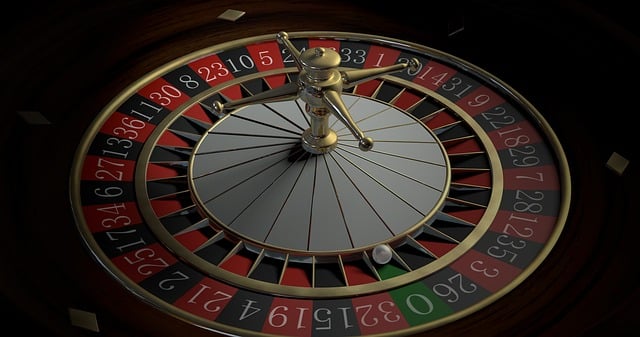
- Ruleta s jednou nulou: 97.3%. Jednonulové kolo poskytuje domu fixní 2,7% okraj, making this a mathematically sharper pick than American roulette.
- Blackjack: 99.4% to 99.8%. S dokonalou základní strategií, tato stolní hra poskytuje nejvyšší teoretickou návratnost v kasinu.
- Videopoker: 97% to 99.5%. Výběr výplatní tabulky je nesmírně důležitý. A 9/6 Jacks or Better machine returns far more než verze 6/5.
- Live Casino Games: 95% to 99.5%. Hry s živým krupiérem se blíží svým RNG verzím, though specific side bets carry a much steeper house edge.
What Is a Casino Payout Percentage?
A payout percentage, formally known as Return to Player or RTP, is the statistical amount a game returns to players over a very long stretch of bets. If a slot machine features a 96% RTP, it’s configured to return €96 for every €100 wagered across millions of spins. That’s not a guarantee about what occurs during your thirty-minute session on a Friday evening.
The calculation is entirely statistical and materializes over the long haul. The house edge is simply the flip side of the RTP. In that 96% example, the casino keeps €4 over time, which pays for operations, software licensing, and jackpot pools. Understanding this dynamic shifts you from a hopeful gambler into an informed player who can assess the cost of entertainment with keen eyes.
Live Casino Payout Percentages and the Personal Touch
Live dealer games broadcast from professional studios run on the same mathematical frameworks as their digital counterparts. European Roulette still has a 97.3% RTP, and live blackjack still hits 99.5% with correct play. The distinction lies in the speed of play and the appeal of side bets that appear prominently on the display.
Side bets like Perfect Pairs or 21+3 in blackjack, or the various racetrack wagers in roulette, have dramatically lower RTPs, often dropping below 90%. The live setting makes these extras appear organic and exciting, but we view them as a distinct, pricier product. Staying with the main wager keeps your effective return lined up with the favorable base game math.
Leveraging RTP Data for Your Session Planning
Equipped with a grasp of payout percentages, you can now tackle your casino sessions with a more structured mindset. We recommend establishing a loss limit based on the game’s theoretical cost. If you intend to wager €500 on a 96% RTP slot, the projected long-term cost of that amusement is around €20. Consider that as the cost of the session and budget accordingly.
For table game players, the strategy component implies your actual cost can come in well below the theoretical house edge. A seasoned blackjack player using perfect basic strategy on a favorable ruleset can likely lose very little over an long session, and may even end up ahead in the short term. The key is honest self-assessment: are you really playing optimally, or are you acting on emotional decisions?
Progressive Jackpot Slots and the RTP Balance
Progressive jackpot slots show the most notable example of RTP balances in the casino. A standard game might return 92% while channeling 4% to the jackpot pool, generating a total theoretical return of 96%. But if you never win the jackpot, your personal experience represents only that 92% base return. The advertised RTP includes money you’ll likely never see.
We look at progressives as entertainment products with a lottery component, not as efficient bankroll vehicles. The life-altering amounts on offer are real, and players do win them, but the mathematical cost of chasing that dream is a significantly lower base-game return. If your primary goal is session longevity, regular slots and table games serve you far better than the progressive jackpot section.
How Luck Casino Structures Its Game Library for Fair Returns
We curated our game selection together with a keen eye on payout transparency. Every slot in our lobby contains an accessible information panel that displays its RTP configuration, volatility level, and maximum win potential. This data sits right alongside the game rules, not buried in some separate document. We strive for you to make an informed choice in seconds, not after a long hunt.
Our table game section positions single-zero European Roulette front and center, along with multiple blackjack variants featuring player-friendly rule sets. Rules like dealer standing on soft 17, the ability to double after splitting, and 3:2 payouts on naturals all nudge the effective RTP upward. We steer clear from hosting blackjack tables that pay 6:5 on a natural. That single rule change lowers the return by roughly 1.4%.
The way Independent Testing Labs Verify the Numbers
Reputable casinos don’t just claim their games return fairly. They hire accredited third-party labs to verify the math. Bodies like eCOGRA, iTech Labs, and Gaming Laboratories International scrutinize the random number generators and model billions of rounds to confirm the actual payout matches the advertised percentage. These certificates are public documents you can usually find right in a casino’s footer.

At Luck Casino, we feature games from regulated software providers who present their math models for rigorous certification. When you see an RTP figure published in a game’s information panel, an independent body has confirmed that number. We encourage players to seek out the lab’s logo or certificate link whenever they join a new platform. That single check distinguishes regulated environments from opaque operations.
Licensing and the Implementation of Equitable Payouts
A payout percentage is only as reliable as the regulatory framework behind it. The Netherlands works under the Kansspelautoriteit licensing regime, which mandates regular audits, game certification, and player fund segregation. When you play at a properly licensed operator, the RTP figures you see aren’t marketing fluff. They’re compliance obligations with legal teeth.
We keep our operations to these standards because they shield both you and the platform’s integrity. Independent auditors verify our random number generators continuously, and our game providers must present their RTP models for approval before any title goes live. This regulatory backbone is what offers the mathematical discussions in this article their practical weight.
Deposit Choices and the Hidden Cost of Transactions
Return rates cover the game’s internal math, but your net return also hinges on how efficiently you move money on and off the platform. Transaction charges, currency conversion markups, and handling lags all diminish your effective bankroll. A casino with a 97% RTP slot that charges a 3% withdrawal fee functionally hands you a poorer result than a 96% slot with fee-free cashouts.
At Luck Casino, we offer a range of payment methods built for the Dutch market, including iDEAL, bank transfers, and recognized e-wallets. We handle withdrawal requests swiftly. Typical e-wallet turnaround times fall within 24 hours after account verification. Bank transfers usually take longer, usually one to three business days. We publish our full processing schedule transparently so you can plan around it.
The Distinction Between Theoretical RTP and Your Actual Session
We cannot stress this enough: short-term variance dictates individual play sessions. A 97% RTP slot could drain your deposit in ten minutes flat, while a 94% game could produce a huge win. RTP represents the mathematical gravity of the game over millions of rounds. Your personal results are a tiny blip on that curve, influenced greatly by volatility and plain old luck.
Volatility, sometimes termed variance, determines the rhythm of payouts. Low-volatility games distribute small wins frequently, maintaining your balance steady and tracking closer to the theoretical RTP in shorter windows. High-volatility titles experience long dry periods before jumping with big multipliers. We always recommend checking both the RTP and the volatility rating before you commit real funds to a title.
What to Review on the Official Page Before You Deposit
Before adding funds to your account, we suggest a quick audit of the platform’s publicly available details. Look for the licensing badge, usually shown in the website footer, and check it connects to the regulator’s official register. Review the payment methods page for processing times and any mentioned fees. Explore the game lobby to verify that RTP data is reachable without logging in.
Read the bonus terms with particular focus to betting requirements and game weightings. A lucrative welcome offer loses its shine if the wagering requirement compels you to play low-RTP games to meet it. At Luck Casino, we design our promotions so that a diverse array of high-RTP slots and table games count fairly toward release conditions, maintaining the value of the bonus for the player.
The most rewarding decision you’ll ever have in an online casino happens before you place a single bet. It’s the decision to understand the numbers, choose your games carefully, and wager only on platforms that respect your right to that information. Payout percentages are certainly not obscure industry secrets. They’re your key tool for assessing the true cost of play. Employ them, and you walk onto the gaming floor with an advantage no house edge can completely eliminate.